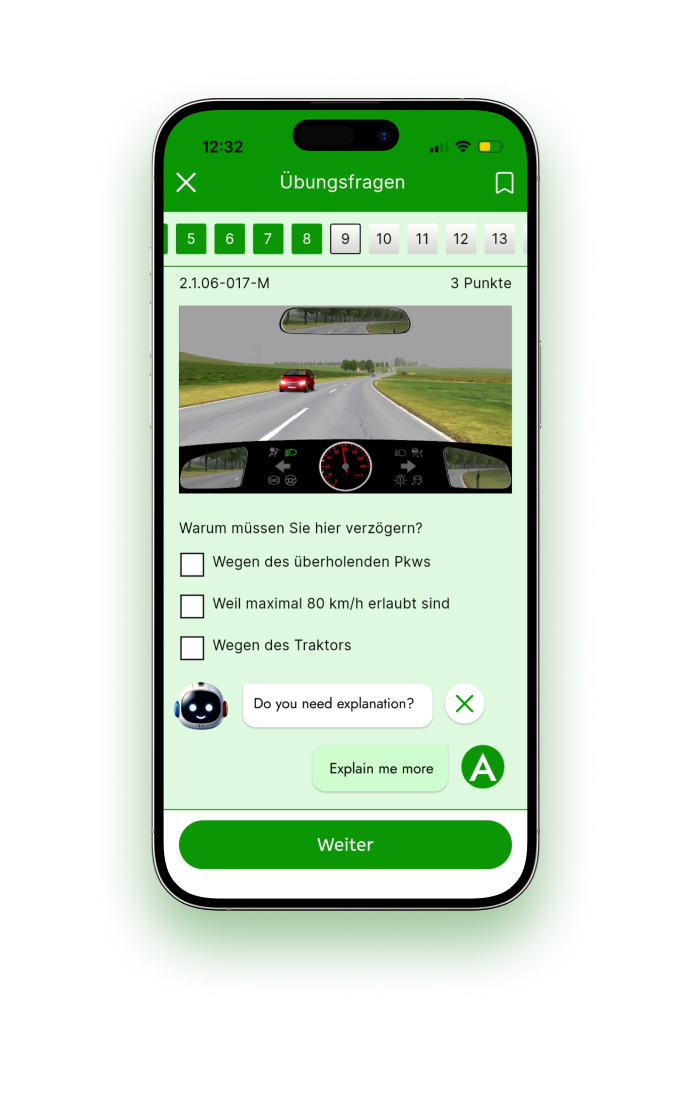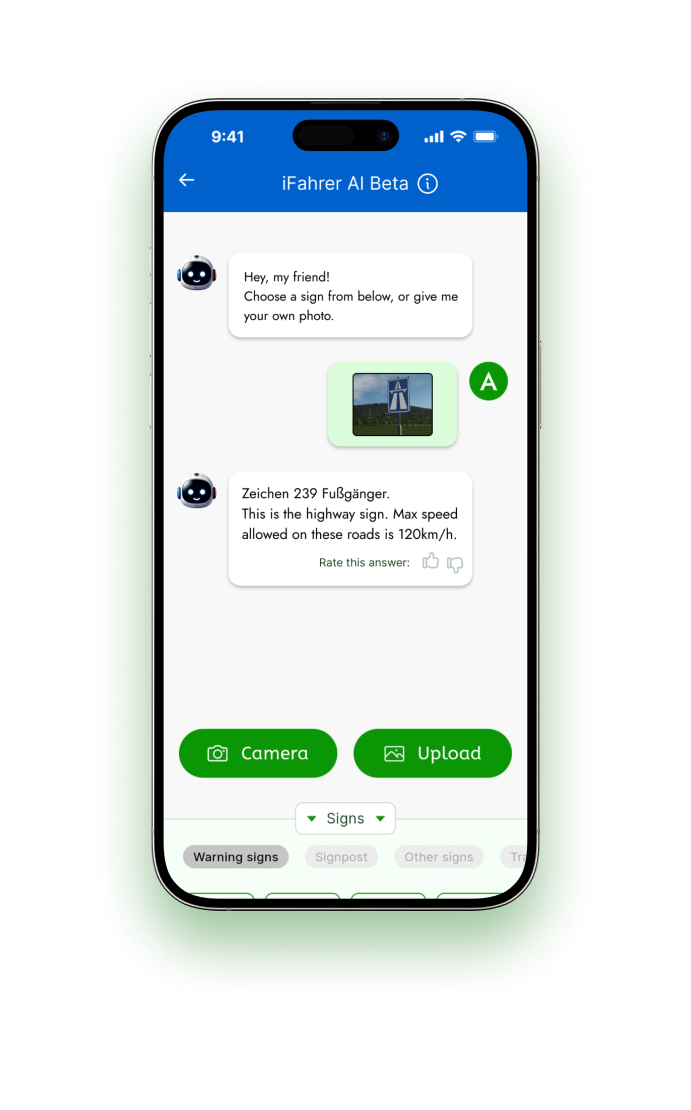
Driver assistance systems that control speed/distance (longitudinal control, like ACC) and steering within the lane (lateral control, like lane keeping) are only aids. Under German traffic rules, you remain fully responsible for driving at all times, so two key principles apply.
First, you must know the system’s limits. That means you need to understand what the system can and cannot reliably handle, for example that it may fail to detect certain obstacles, struggle with poor lane markings, sharp bends, roadworks, bad weather, glare, or complex traffic situations. If you don’t know the limits, you might rely on it in situations where it cannot react correctly, and you would still be liable because the driver is obliged to maintain control and drive attentively.
Second, if the system malfunctions, you must intervene immediately. A malfunction can be obvious (warnings, alarms, sudden braking/acceleration, unexpected steering) or subtle (not keeping distance, drifting within the lane, not reacting to traffic). The rule of thumb is: hands and mind ready, monitor continuously, and take over without delay whenever the system behaves incorrectly or conditions are outside its capability.
What does not apply is using the system as a substitute when you are tired. Fatigue reduces attention and reaction time, and assistance systems are not allowed to “take over driving” so that you can relax or compensate for tiredness. If you’re tired, the correct action is to take a break, not to rely on automation.